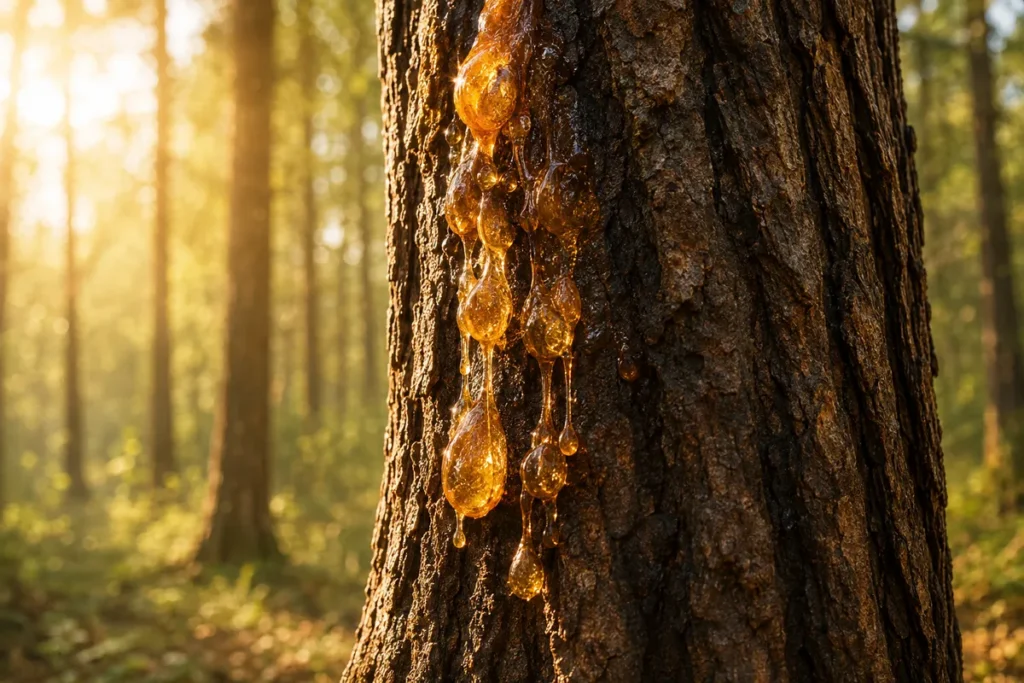
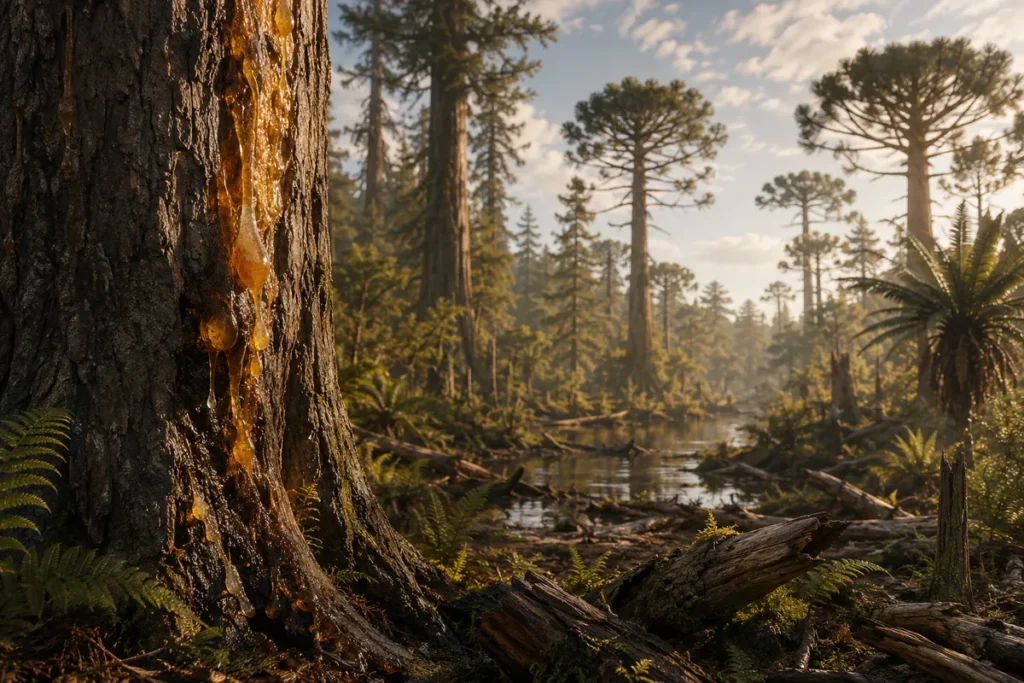
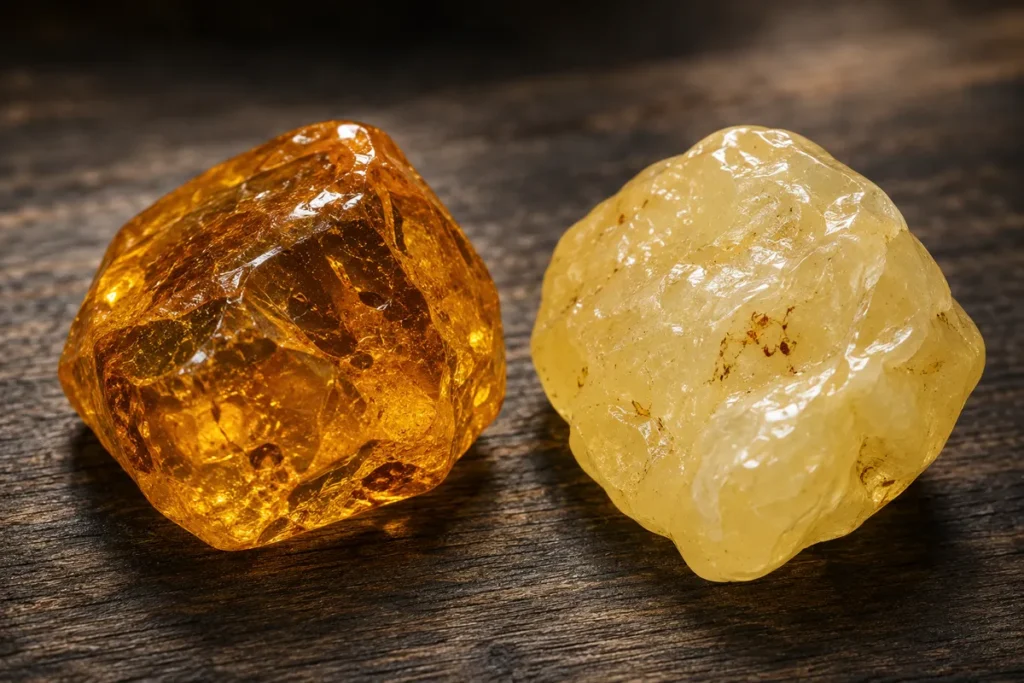
Amber is fossilized tree resin that formed over millions of years. Unlike mineral gemstones, amber is an organic gem created from ancient plant resin. Known for its warm golden colors and unique beauty, amber is often used in jewelry, decorative objects, and collectibles. But what exactly is amber, and why is it so valuable?
In this beginner’s guide, we’ll explore what amber is, how it forms, where it comes from, and what makes Baltic amber so special.To understand where amber comes from, see our How Is Amber Formed? guide.
What Is Amber?
Amber is fossilized tree resin that formed over millions of years. Unlike gemstones that form from minerals deep within the Earth, amber originates from the sticky resin produced by ancient trees.
When resin flowed from trees millions of years ago, it sometimes trapped insects, leaves, or other organic materials. Over time, geological processes transformed the resin into the amber we know today.
Because of its organic origin, amber is technically not a mineral gemstone. Instead, it is classified as an organic gem.
How Does Amber Form?
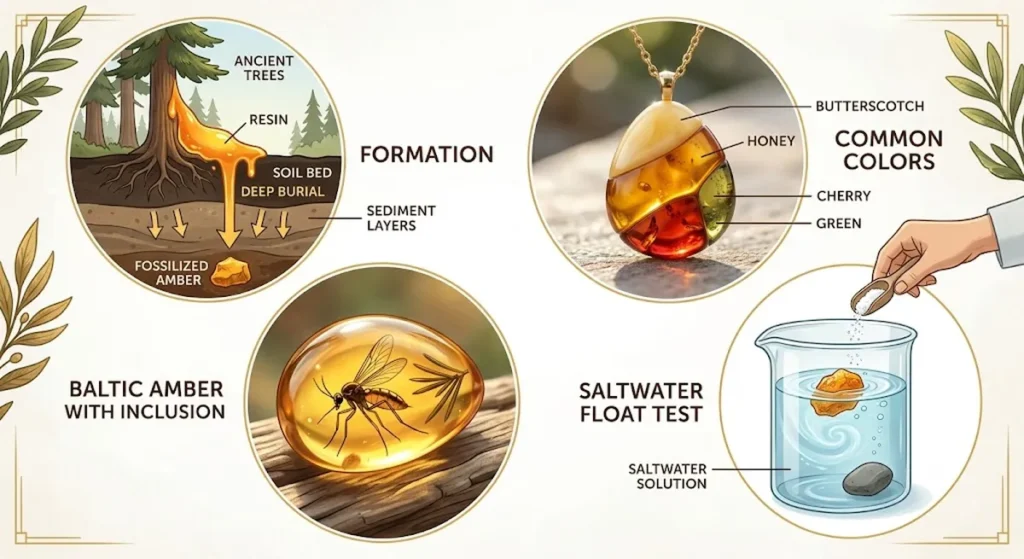
The formation of amber is a long process that can take millions of years.
- Step 1: Tree Resin Production
Ancient trees produced resin as a natural defense against damage, insects, and disease.
- Step 2: Burial
The resin fell to the ground and became buried under layers of soil, sand, and sediment.
- Step 3: Fossilization
Over millions of years, pressure and chemical changes gradually transformed the resin into amber.
- Step 4: Discovery
Natural erosion, coastal waves, and mining activities eventually expose amber deposits for collection.
Where Does Amber Come From?
Amber can be found in many parts of the world, including:
- Baltic Region
- Dominican Republic
- Mexico
- Myanmar
- Indonesia
Among these sources, Baltic amber is considered the most famous and commercially important.
Baltic amber is generally associated with the Eocene epoch, roughly 35–47 million years ago.
What Is Baltic Amber?
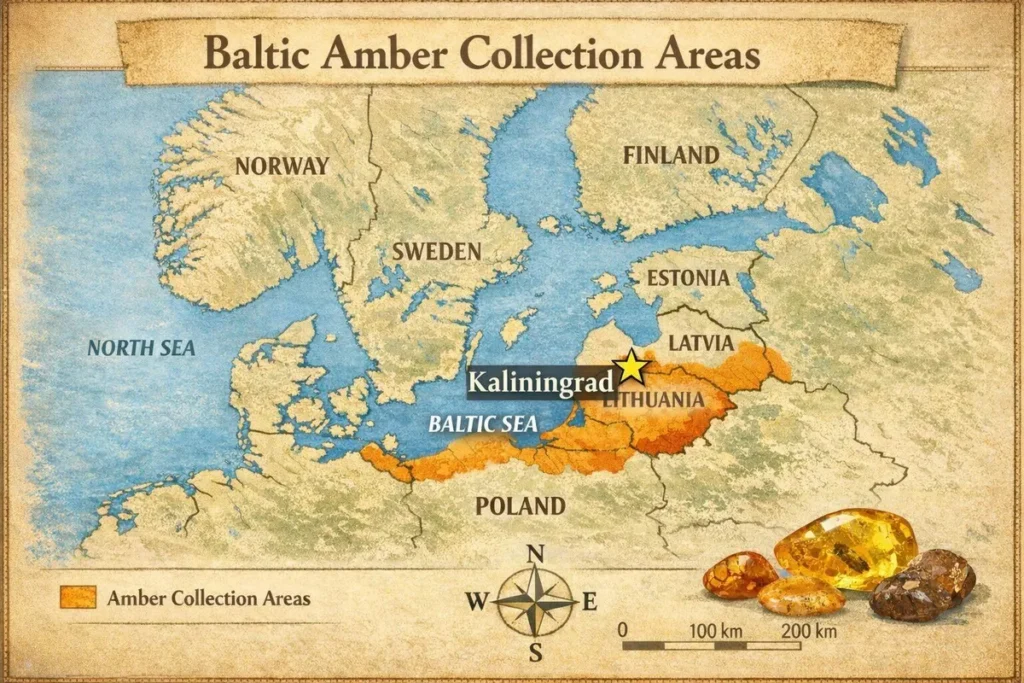
Baltic amber comes from the regions surrounding the Baltic Sea and is known for its high quality and rich history.
Reasons Baltic amber is highly valued include:
- Beautiful natural colors
- Exceptional clarity
- Historical significance
- Large deposits
- Frequent fossil inclusions
For centuries, Baltic amber has been traded across Europe and beyond.
What Colors Can Amber Be?
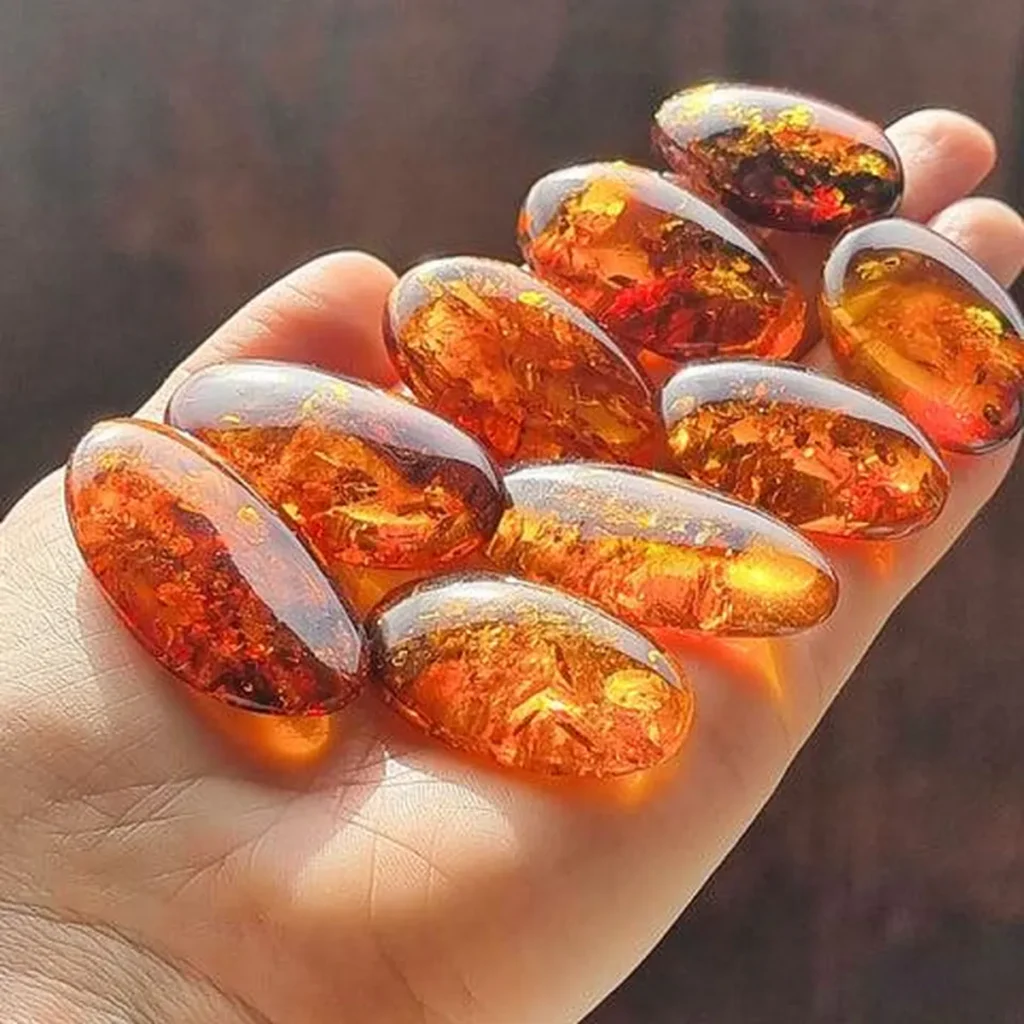
Many people think amber is only yellow or orange, but it actually occurs in a wide variety of colors.
Common amber colors include:
- Honey amber
- Golden amber
- Cognac amber
- Butterscotch amber
- Lemon amber
- Cherry amber
- Green amber
- White amber
Each color has its own appeal and value depending on rarity and appearance.
Is Amber a Real Stone?
This is a common question among beginners.
The answer is both yes and no.
Amber is often sold alongside gemstones and jewelry stones, but it is not a true mineral stone. It is fossilized tree resin, making it an organic gem.
Despite this distinction, amber is widely used in fine jewelry around the world.
Why Is Amber Valuable?
Several factors contribute to amber’s value:
Age
Most amber is millions of years old.
Beauty
Its warm glow and natural patterns make every piece unique.
Rarity
High-quality amber with excellent clarity or rare colors can be difficult to find.
Inclusions
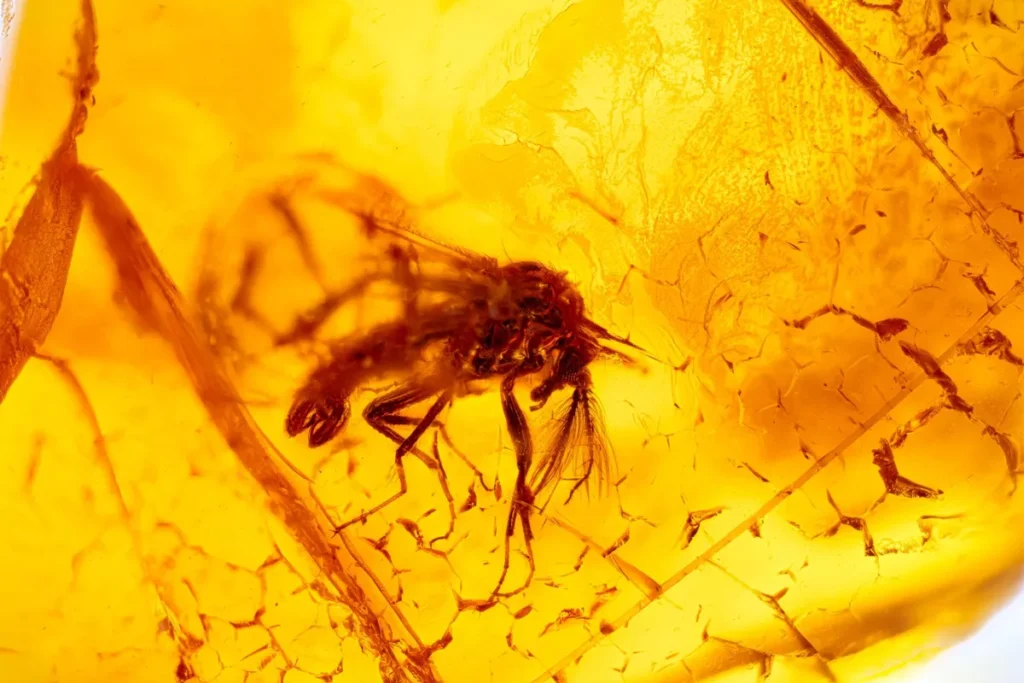
Amber containing ancient insects or plants is often highly collectible.
Frequently Asked Questions
How old is amber?
Amber can range widely in age, depending on its geological origin. Many well-known amber deposits formed tens of millions of years ago.
Does real amber float?
Yes. Real amber often floats in saltwater due to its low density.
Can amber contain insects?
Yes. Ancient insects, plants, and other organic materials are sometimes preserved inside amber.
Is Baltic amber real amber?
Yes. Baltic amber is one of the most authentic and respected types of amber available.
Conclusion
Amber is fossilized tree resin that formed millions of years ago. Its organic origin, beautiful colors, and fascinating history have made it one of the world’s most treasured natural materials.
Whether you’re interested in collecting amber, learning about its history, or purchasing amber jewelry, understanding the basics is the first step toward appreciating this remarkable natural gem.